Educational guidance for integrating movement principles into daily life and physical practice.
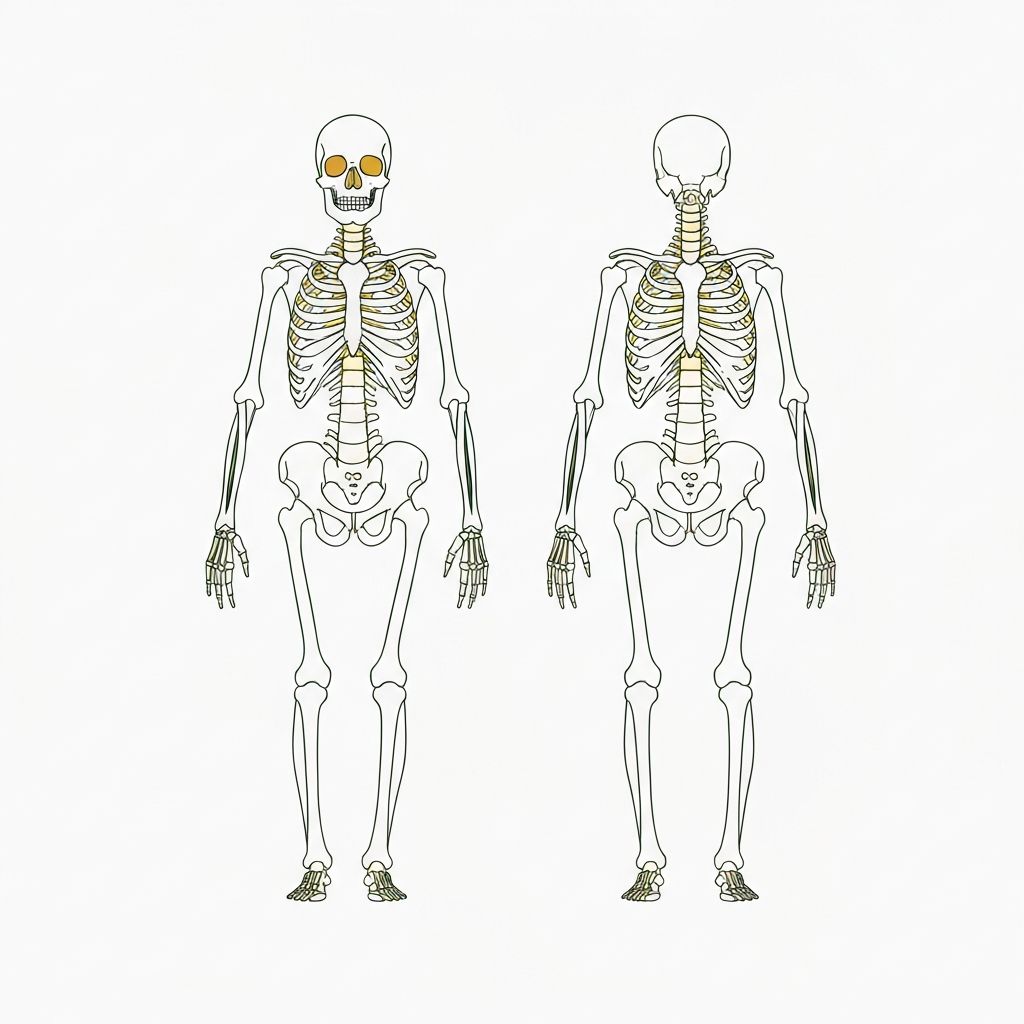
Extended periods at a desk create specific postural challenges. Consider these principles:
Conscious attention to postural habits improves comfort and reduces strain:

Core strength begins with awareness and gentle activation. Foundational practices focus on connecting with core musculature without strain or force.
Systematic, gradual progression allows tissues to adapt and strength to develop. Consistency matters more than intensity in sustainable practice.
Core strength should be integrated into daily movement and posture, not isolated to specific exercises. Awareness extends beyond formal practice.

Flexibility development benefits from patient, consistent practice:
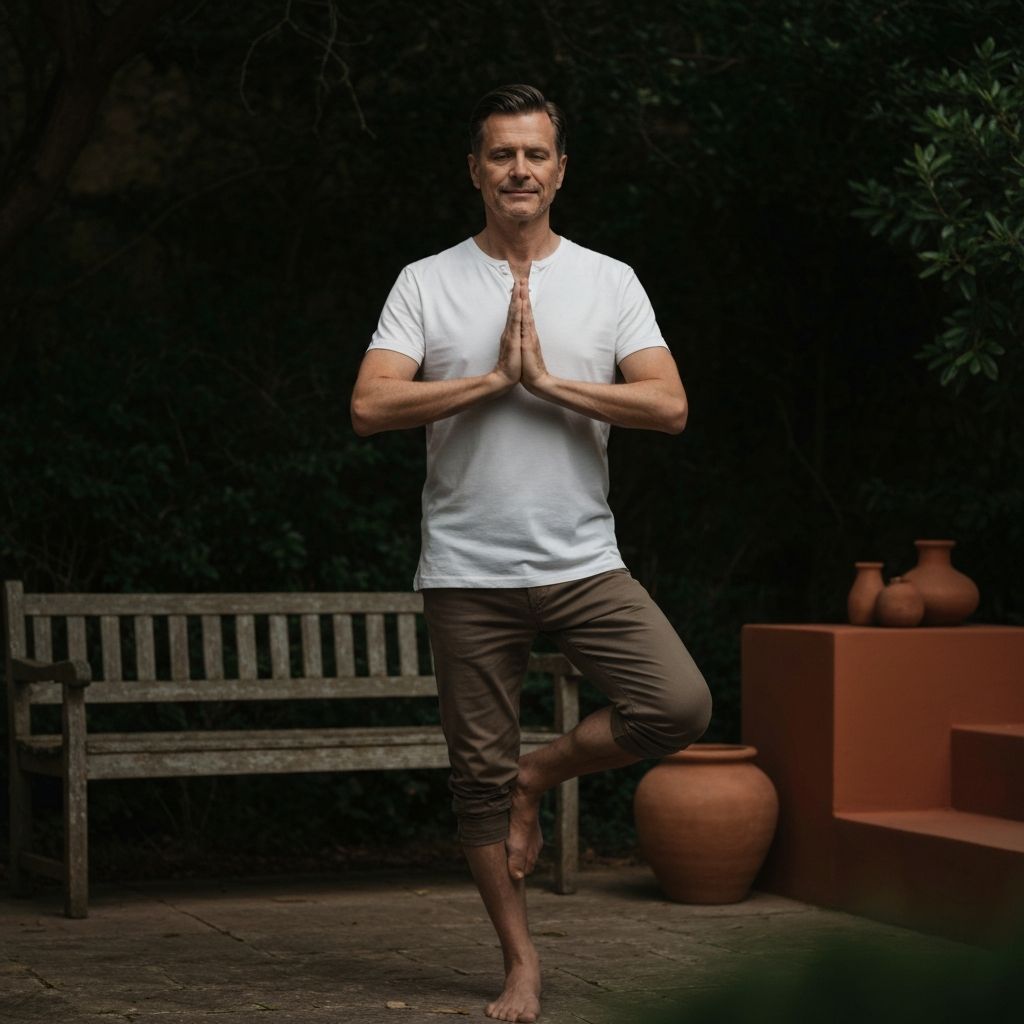
Balance is a trainable skill that develops through consistent, mindful practice:
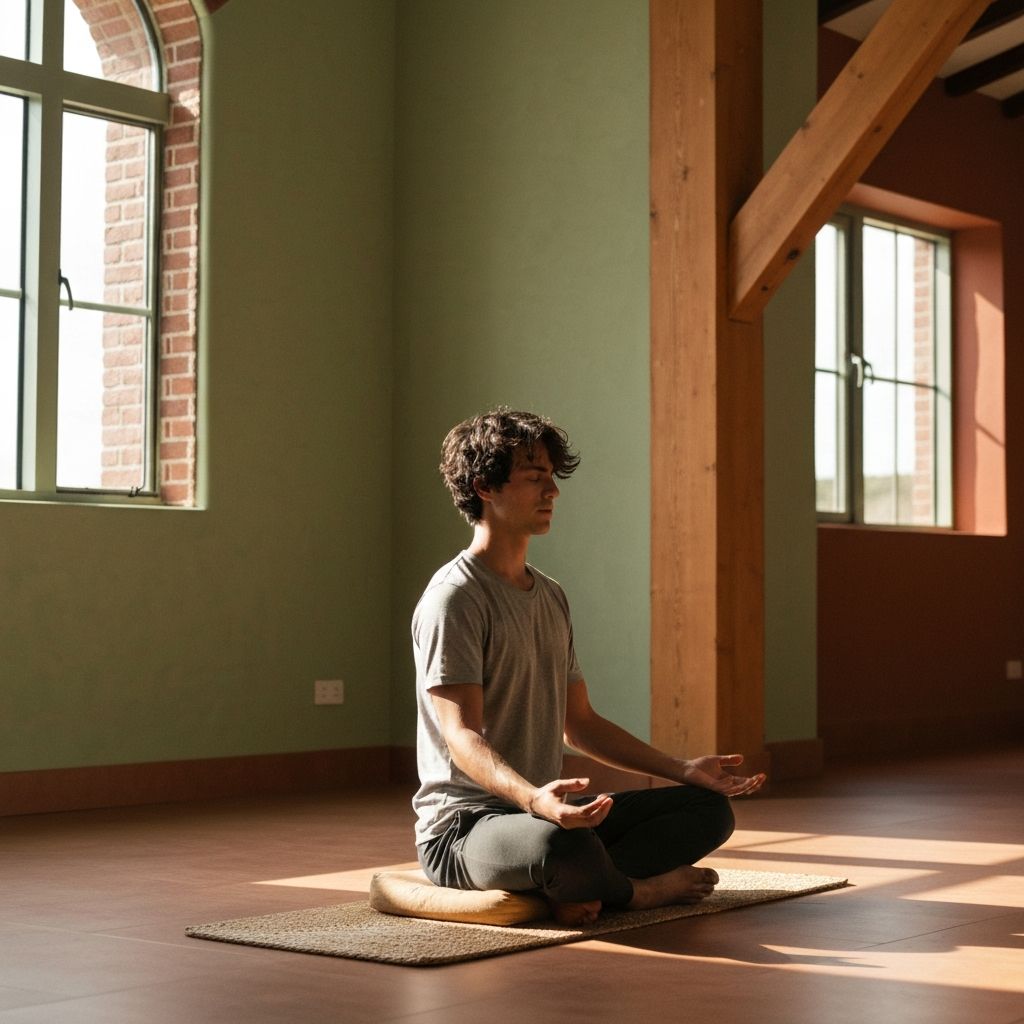
Conscious breathing enhances movement efficiency and supports nervous system regulation:
Physical practice meets each person where they are—age, experience, and current capacity vary widely. Start with gentle movement and simple practices, building gradually over time.
Regular practice, even 15-20 minutes daily, yields better results than intensive sessions. Habit formation supports sustainable development of strength and flexibility.
Pain is a signal—distinction between mild sensation and actual pain is important. Respect your body's limits while gently exploring boundaries and gradually expanding capacity.
If you have specific concerns or prior injuries, consultation with qualified movement educators or healthcare providers ensures practice is appropriate for your individual circumstances.
These advices are presented for educational understanding of movement principles. They should not replace individual consultation with qualified professionals who understand your personal circumstances, health history, and specific needs. Each person's body is unique, and what supports wellbeing for one individual may not be appropriate for another.